


ESAPI 1.4: Security Methods for the Web

The Enterprise Security API (ESAPI), a set of documentation focusing on application software security, has released a new version 1.4. Javadocs were updated and old interfaces were replaced.
ESAPI is a product of the Open Web Application Security Project (OWASP). The organization collects expertise on securing web applications, holds conferences and develops tools such as the WebScarab HTTP/S analysis proxy. OWASP members range from small consulting firms and security providers like Symantec to industry giants like IBM and Microsoft.
ESAPI describes methods that a typical web app needs for security. These methods include fixing authentication and protecting against cross-site scripting (XSS), cross-site request forgery (XSRF) and SQL injection. Other methods address failure to restrict URL access, insecure communications and improper error handling. The project publishes a Top 10 list of the most serious web app vulnerabilities.
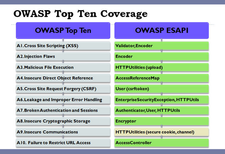
The ESAPI project recommends that developers shouldn't continue to reinvent the security wheel for each application, but base their efforts on OWASP's expertise gained "over a decade of code review and penetration testing of critical enterprise applications."
The API is virtually independent of operating system and programming language, even though the current reference implementation is written in Java along with its Javadoc. Versions for .NET and PHP are planned.
ESAPI's Java implementation requires Java 1.4.2, but Java 1.6 users can uncomment code to make it work for them. The reference implementation is in binary JAR format for downloading. Developers will then have a forum in the OWASP-ESAPI mailing list.
Subscribe to our Linux Newsletters
Find Linux and Open Source Jobs
Subscribe to our ADMIN Newsletters
Support Our Work
Linux Magazine content is made possible with support from readers like you. Please consider contributing when you’ve found an article to be beneficial.

News
-
Linux Servers Targeted by Akira Ransomware
A group of bad actors who have already extorted $42 million have their sights set on the Linux platform.
-
TUXEDO Computers Unveils Linux Laptop Featuring AMD Ryzen CPU
This latest release is the first laptop to include the new CPU from Ryzen and Linux preinstalled.
-
XZ Gets the All-Clear
The back door xz vulnerability has been officially reverted for Fedora 40 and versions 38 and 39 were never affected.
-
Canonical Collaborates with Qualcomm on New Venture
This new joint effort is geared toward bringing Ubuntu and Ubuntu Core to Qualcomm-powered devices.
-
Kodi 21.0 Open-Source Entertainment Hub Released
After a year of development, the award-winning Kodi cross-platform, media center software is now available with many new additions and improvements.
-
Linux Usage Increases in Two Key Areas
If market share is your thing, you'll be happy to know that Linux is on the rise in two areas that, if they keep climbing, could have serious meaning for Linux's future.
-
Vulnerability Discovered in xz Libraries
An urgent alert for Fedora 40 has been posted and users should pay attention.
-
Canonical Bumps LTS Support to 12 years
If you're worried that your Ubuntu LTS release won't be supported long enough to last, Canonical has a surprise for you in the form of 12 years of security coverage.
-
Fedora 40 Beta Released Soon
With the official release of Fedora 40 coming in April, it's almost time to download the beta and see what's new.
-
New Pentesting Distribution to Compete with Kali Linux
SnoopGod is now available for your testing needs