


OLPC Computers for Palestinian Refugee Children

The United Nations Relief and Works Agency for Palestine Refugees in the Near East (UNRWA) has instituted a three-year program together with Sugar Labs and the One Laptop Per Child (OLPC) program.
Half a million Palestinian refugee children are already receiving daily education under the auspices of the United Nations agency, reported a representative of the UNRWA. The children are in the West Bank, Gaza, Lebanon, Syria and Jordan. Over the next three years, laptops should become available to them loaded with Sugar, an operating system especially developed to serve children and education.
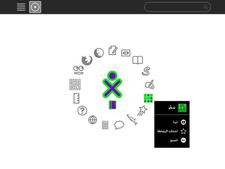
"A laptop will be a huge contribution to bridging the technology and knowledge gap in one of the most troubled regions of the world," said UNRWA spokesperson Chris Gunness. The project is successor to the Palestine Education Initiative, which distributed 1,000 XO laptops in Palestinian schools in 2009. The initiative was a cooperative effort between Sugar Labs and the local education and IT ministry.
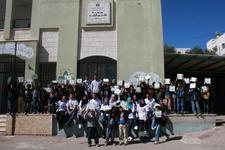
The Sugar project and the U.N. will be adapting the current UNRWA education plan to the Sugar Learning Platform and instruct local teachers in it. The UNRWA, by its own report, is financed almost completely by voluntary contributations from the U.N. member states and welcomes the Sugar project collaboration.
Further details on the OLPC project and additional UNRWA undertakings are on the agency's press release webpage.
Subscribe to our Linux Newsletters
Find Linux and Open Source Jobs
Subscribe to our ADMIN Newsletters
Support Our Work
Linux Magazine content is made possible with support from readers like you. Please consider contributing when you’ve found an article to be beneficial.

News
-
Linux Mint 27 Set for a Christmas Release
The developers behind Linux Mint have announced a Christmas release, and it looks like Santa's sack will be brimming with features.
-
Is Linus Torvalds Vibe Coding?
The creator of Linux has added AI into his process for Linux kernel development, and it's more than just for debugging.
-
openKylin 3.0 Released with Expanded AI Integration
The latest release features a pre-installed AI agent to help perform tasks.
-
DigitalOcean Ends Open Source Credits Program
In a change that has surprised many open source developers, DigitalOcean has decided to sunset its Open Source Credits Program.
-
Office 365 Available for Testing on Linux via Bottles
Linux users can now test the official Office 365, thanks to Mirko Brombin's work on Bottles.
-
Dutch Government Turns to Open Source for Digital Sovereignty
Following in the footsteps of other European countries, the Netherlands is looking to increase its sovereign digital infrastructure with open source software.
-
Linux May Soon Work on Snapdragon X2-Based PCs
If you're thinking about buying a Snapdragon X2-based desktop or laptop, Linux may soon be an option.
-
KDE for People Initiative Calls for AI Ban in Plasma
A new community of KDE wants the project to adopt a strict no-AI policy for KDE Plasma.
-
KDE Sets Ambitious Goals for 2026 and Beyond
KDE Connect reveals the goals for the Linux desktop darling, with one of those goals long overdue.
-
It’s Time to Test Fedora 45 Beta
Fedora 45 beta has been released with updated Gnome, KDE Plasma, and kernel.