


Migrating to ownCloud

Productivity Sauce
I've been meaning to move from Wuala to ownCloud for some time, but there were always more important things on my to-do list. Recently, though, Wuala started to act up, so it was time to take the plunge. What can I say? I wish I moved to ownCloud earlier. Deploying the application on my virtual private server took about 15 minutes. I chose the manual installation procedure, but there is also a web-based installer which does the donkey job of installing ownCloud for you.
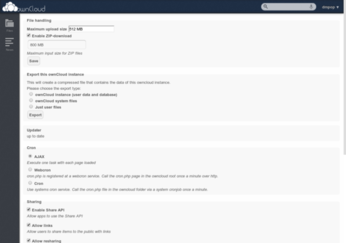
ownCloud requires practically no configuration. I disabled a few default apps I wasn't planning on using, and that was it. To enable the file synchronization functionality, I installed the ownCloud desktop client on my machines. The ownCloud project offers binary packages for all popular Linux distributions, including all Ubuntu flavors, so installing the client was a matter of adding a repository to the sources.list file and running the apt-get update && apt-get install owncloud-client command. Configuring the client wasn't particularly difficult either. I provided connection info, specified the directories I wanted to keep in sync, and the client took it from there. So far, it works like a charm. Since ownCloud features a built-in text editor, I can access synced files and edit them in a browser.
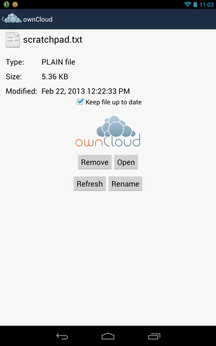
The ownCloud project also offers an Android app which can be used to access files and documents from an Android device. The clever part is that you can grab a file and keep it in sync by enabling the Keep file up to date option. The app also includes the instant upload functionality, which automatically uploads photos taken with the Android device to ownCloud.
comments powered by DisqusSubscribe to our Linux Newsletters
Find Linux and Open Source Jobs
Subscribe to our ADMIN Newsletters
Support Our Work
Linux Magazine content is made possible with support from readers like you. Please consider contributing when you’ve found an article to be beneficial.

News
-
Canonical Releases Ubuntu 24.04
After a brief pause because of the XZ vulnerability, Ubuntu 24.04 is now available for install.
-
Linux Servers Targeted by Akira Ransomware
A group of bad actors who have already extorted $42 million have their sights set on the Linux platform.
-
TUXEDO Computers Unveils Linux Laptop Featuring AMD Ryzen CPU
This latest release is the first laptop to include the new CPU from Ryzen and Linux preinstalled.
-
XZ Gets the All-Clear
The back door xz vulnerability has been officially reverted for Fedora 40 and versions 38 and 39 were never affected.
-
Canonical Collaborates with Qualcomm on New Venture
This new joint effort is geared toward bringing Ubuntu and Ubuntu Core to Qualcomm-powered devices.
-
Kodi 21.0 Open-Source Entertainment Hub Released
After a year of development, the award-winning Kodi cross-platform, media center software is now available with many new additions and improvements.
-
Linux Usage Increases in Two Key Areas
If market share is your thing, you'll be happy to know that Linux is on the rise in two areas that, if they keep climbing, could have serious meaning for Linux's future.
-
Vulnerability Discovered in xz Libraries
An urgent alert for Fedora 40 has been posted and users should pay attention.
-
Canonical Bumps LTS Support to 12 years
If you're worried that your Ubuntu LTS release won't be supported long enough to last, Canonical has a surprise for you in the form of 12 years of security coverage.
-
Fedora 40 Beta Released Soon
With the official release of Fedora 40 coming in April, it's almost time to download the beta and see what's new.