


Freescale Calls Up Second Generation Internet Tablets

Freescale drums at the Consumer Electronics Show (CES) in Las Vegas. Just as smart, but a bigger display than the Smartphone and costing less than $200 is what the next Internet Generation of 12 to 25-year-olds wants. At least the chipmaker has a fitting idea for it.
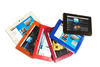
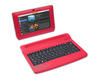
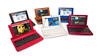
A 7" touchscreen, an i.MX515 applications processor and a battery that lasts all day long, that's what Freescale will announce as its reference tablet at the CES that runs from January 7-10, 2010. The smartbook tablet should run Android and other Linux flavors, and its price shouldn't exceed $200. Optional is a stand with keyboard, which qualifies the tablet as a minicomputer. It should show its differentiation from other tablets as they compare to netbooks -- considering that multimedia power and connectivity are nothing new withal.
Freescale claims that it will present with its smartbook tablet the first platform that originated with its own Smart Application Blueprint for Rapid Engineering (SABRE). Starting in February 2010 it should provide manufacturers a template for producing their own inhouse tablets with Freescale issuing block diagrams, schematics, parts lists and Linux board support package. The Texan company founded in 2004 calls the tablet a smartbook, an idea inherited from Qualcomm. The device looks like an ebook reader, weighs less than 9 pounds, and has 512 MBytes working memory, between 4 and 64 GBytes micro-SD card memory and a 3-Mpixel webcam. USB 2.0 and a mini-USB are available for loading files. An option for a SIM card is also foreseen and networking is wireless 802.11b/g/n, Bluetooth 2.1 and GPS. Operating systems include Ubuntu, Android and Millos mobile Linux from ThunderSoft, according to the two-page brochure.
Glen Burchers, who Freescale calls its foremost mobile expert, was convinced in his blog entry the end of December 2009 that the time was ripe for tablets (unlike the end of the 1990s when Apple put out its first tablet, Newton, that was less than successful). He describes tablets as powerful mobile devices with bigger displays than smartphones. Its target group is 12 to 25-year-old Internet users, as determined from unspecified recent research by Burchers's employer Freescale. The critical component of success over failure for the smartbook tablet he identifies as the Internet. Why his most convincing arguments shouldn't also apply to netbooks, or why "this time the tablet will finally succeed" may end up as history repeating itself, weren't questions he could easily answer.
| Gallery (5 images) |
|---|
|
Subscribe to our Linux Newsletters
Find Linux and Open Source Jobs
Subscribe to our ADMIN Newsletters
Support Our Work
Linux Magazine content is made possible with support from readers like you. Please consider contributing when you’ve found an article to be beneficial.

News
-
Canonical Releases Ubuntu 24.04
After a brief pause because of the XZ vulnerability, Ubuntu 24.04 is now available for install.
-
Linux Servers Targeted by Akira Ransomware
A group of bad actors who have already extorted $42 million have their sights set on the Linux platform.
-
TUXEDO Computers Unveils Linux Laptop Featuring AMD Ryzen CPU
This latest release is the first laptop to include the new CPU from Ryzen and Linux preinstalled.
-
XZ Gets the All-Clear
The back door xz vulnerability has been officially reverted for Fedora 40 and versions 38 and 39 were never affected.
-
Canonical Collaborates with Qualcomm on New Venture
This new joint effort is geared toward bringing Ubuntu and Ubuntu Core to Qualcomm-powered devices.
-
Kodi 21.0 Open-Source Entertainment Hub Released
After a year of development, the award-winning Kodi cross-platform, media center software is now available with many new additions and improvements.
-
Linux Usage Increases in Two Key Areas
If market share is your thing, you'll be happy to know that Linux is on the rise in two areas that, if they keep climbing, could have serious meaning for Linux's future.
-
Vulnerability Discovered in xz Libraries
An urgent alert for Fedora 40 has been posted and users should pay attention.
-
Canonical Bumps LTS Support to 12 years
If you're worried that your Ubuntu LTS release won't be supported long enough to last, Canonical has a surprise for you in the form of 12 years of security coverage.
-
Fedora 40 Beta Released Soon
With the official release of Fedora 40 coming in April, it's almost time to download the beta and see what's new.