


Hands-on: Ben NanoNote Micronotebook

Small wonder: the microcomputer with a 3-inch screen, flip lid and keyboard seems fragile, but has a lot to it –– even if the screen is a bit too soft.
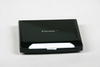
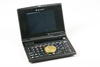
The Ben NanoNote keyboard has improved sensitivity in comparison to many other netbooks. The keys are not only more sturdy, but also reside under a protective clear plastic surface, which helps avoid wear and tear. Additionally, the lid's rigid hinges resist wobbling and the lid itself (which could be a bit heavy, as the device often tips backward) has a small clasp to store it securely. The mini-USB port has a decent rubber covering and the bottom of the device has some convenient, small rubber pads. The labels for the MicroSD port, mini-USB port and reset button are etched recessed in the case. In fact, the only noticeable flaw in our test model had a second Delete key in place of the Enter key, though the Enter function itself worked as intended.
Apart from the keyboard, the Ben NanoNote has no other input capabilities. Installing end-user software is somewhat tedious. The Ben NanoNote does have its own package manager and even a Gtk installed, but nothing other than a console will run. Much tinkering is required, but the project makes no bones about it. One problem, however, is the screen surface: trying to remove streaks from it for our photos resulted in some serious scratching.
The Ben has OpenWrt-based Linux with an ash console, BusyBox and the opkg package manager. Connecting the mini-USB cable provides USB network connectivity. The dmesg kernel ring buffer command that it registers as highspeed USB device with the cdc_ether (communications device class, or CDC) kernel module. The kernel version is 2.6.32 and the images are often newly built, which the NanoNotes changelog explains. The last version (image 2010-03-26) added Python, PHP 5, make, OpenVPN and tcpdump. The new image can be updated via software or hardware or USB boot. The latter is great for tinkerers, but more than tedious for end-users. For us, a couple of circuit board connections shorted out while removing the battery.
The USB connection is, by the way, the only functional network connection, as wireless doesn't seem to work. There are some instructions, however, on how to get SSH access from the Ben. The project also has a wiki that includes the hardware specs and software plans.
At US$ 99 plus shipping in the U.S., the user gets quite a bit for the money. Keep in mind that the device is still in its infancy: after all, the name Ben is derived from the Chinese word for "beginning." If looking for a gimmick for the well-versed or a hobby that fits in the pocket, take a closer look at the Ben NanoNote. It might grow on you.
Update: Sharism.cc, a NanoNote Shop outlet, tells Linux Magazine Online that it had already been aware of the soft screen surface problem and ordered other models with firmer screens for sale. It also replaced the second Delete button with the proper Enter button. There is also an image that just came out that boots graphically.
| Gallery (13 images) |
|---|

|
Comments
comments powered by DisqusSubscribe to our Linux Newsletters
Find Linux and Open Source Jobs
Subscribe to our ADMIN Newsletters
Support Our Work
Linux Magazine content is made possible with support from readers like you. Please consider contributing when you’ve found an article to be beneficial.

News
-
Canonical Releases Ubuntu 24.04
After a brief pause because of the XZ vulnerability, Ubuntu 24.04 is now available for install.
-
Linux Servers Targeted by Akira Ransomware
A group of bad actors who have already extorted $42 million have their sights set on the Linux platform.
-
TUXEDO Computers Unveils Linux Laptop Featuring AMD Ryzen CPU
This latest release is the first laptop to include the new CPU from Ryzen and Linux preinstalled.
-
XZ Gets the All-Clear
The back door xz vulnerability has been officially reverted for Fedora 40 and versions 38 and 39 were never affected.
-
Canonical Collaborates with Qualcomm on New Venture
This new joint effort is geared toward bringing Ubuntu and Ubuntu Core to Qualcomm-powered devices.
-
Kodi 21.0 Open-Source Entertainment Hub Released
After a year of development, the award-winning Kodi cross-platform, media center software is now available with many new additions and improvements.
-
Linux Usage Increases in Two Key Areas
If market share is your thing, you'll be happy to know that Linux is on the rise in two areas that, if they keep climbing, could have serious meaning for Linux's future.
-
Vulnerability Discovered in xz Libraries
An urgent alert for Fedora 40 has been posted and users should pay attention.
-
Canonical Bumps LTS Support to 12 years
If you're worried that your Ubuntu LTS release won't be supported long enough to last, Canonical has a surprise for you in the form of 12 years of security coverage.
-
Fedora 40 Beta Released Soon
With the official release of Fedora 40 coming in April, it's almost time to download the beta and see what's new.
"What's it for"?
Personally, I think it's not so much a "feeble, tiny netbook" but a "much more flexible and powerful 'iPod Nano'".
This thing's just begging for a full-Linux media-handling environment.
What is it for?