


Monitor and secure your home IoT appliances

En Guarde!
Many IoT devices are so poorly protected against attacks that it is easy for an intruder to slip inside. With the right tools and best practices, you can bar the door.
The "S" in IoT stands for security – as a common saying goes. The recent history of IoT development is paved with absurd examples of security falling by the wayside. One oft-reported tale tells of a Bluetooth-controllable water closet with the pairing code 0000 that could not be changed. Another example is the smart breast pump that unexpectedly turned innocent mothers into botnet operators. But all the horror stories have not diminished the success of IoT. The army of smart helpers in households is growing all the time. Smart lights, smart thermostats, smart ovens, smart sockets, smart coffee machines …
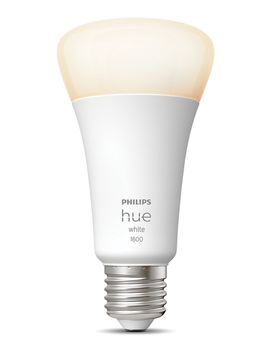
As always: New technology brings the potential for misuse. In the context of IoT, many users do not understand the threat scenario posed by potentially problematic devices. For instance, what would an attacker gain from taking control of a smart washing machine? But things are different if you look at smart blinds and, above all, smart lighting control. Anyone who gains access to your Philips Hue configuration (Figure 1) can see when you are at home and, more ominously, when you are not. This information is a wonderful tool for planning break-ins. Insecure thermostats on radiators can also become a problem; imagine if a mischievous teenager or angry neighbor could turn your apartment into a sauna. If they do this in a clever way and then change the access credentials for the thermostat control center, your heating will keep running at full blast without you being able to do anything about it.
[...]
Buy this article as PDF
(incl. VAT)
Buy Linux Magazine
Subscribe to our Linux Newsletters
Find Linux and Open Source Jobs
Subscribe to our ADMIN Newsletters
Support Our Work
Linux Magazine content is made possible with support from readers like you. Please consider contributing when you’ve found an article to be beneficial.

News
-
openKylin 3.0 Released with Expanded AI Integration
The latest release features a pre-installed AI agent to help perform tasks.
-
DigitalOcean Ends Open Source Credits Program
In a change that has surprised many open source developers, DigitalOcean has decided to sunset its Open Source Credits Program.
-
Office 365 Available for Testing on Linux via Bottles
Linux users can now test the official Office 365, thanks to Mirko Brombin's work on Bottles.
-
Dutch Government Turns to Open Source for Digital Sovereignty
Following in the footsteps of other European countries, the Netherlands is looking to increase its sovereign digital infrastructure with open source software.
-
Linux May Soon Work on Snapdragon X2-Based PCs
If you're thinking about buying a Snapdragon X2-based desktop or laptop, Linux may soon be an option.
-
KDE for People Initiative Calls for AI Ban in Plasma
A new community of KDE wants the project to adopt a strict no-AI policy for KDE Plasma.
-
KDE Sets Ambitious Goals for 2026 and Beyond
KDE Connect reveals the goals for the Linux desktop darling, with one of those goals long overdue.
-
It’s Time to Test Fedora 45 Beta
Fedora 45 beta has been released with updated Gnome, KDE Plasma, and kernel.
-
Ubuntu Stonking Stingray Gets Even Rustier
Ubuntu 26.10 has completed its migration to the Rust-based coreutils.
-
AI Fixes Linux Bottlenecks Using “Hideous” Code
A Linux developer used AI to fix bottlenecks that caused problems when building the kernel. The resulting AI-generated code needed a lot of work.