


ESAPI 1.4: Security Methods for the Web

The Enterprise Security API (ESAPI), a set of documentation focusing on application software security, has released a new version 1.4. Javadocs were updated and old interfaces were replaced.
ESAPI is a product of the Open Web Application Security Project (OWASP). The organization collects expertise on securing web applications, holds conferences and develops tools such as the WebScarab HTTP/S analysis proxy. OWASP members range from small consulting firms and security providers like Symantec to industry giants like IBM and Microsoft.
ESAPI describes methods that a typical web app needs for security. These methods include fixing authentication and protecting against cross-site scripting (XSS), cross-site request forgery (XSRF) and SQL injection. Other methods address failure to restrict URL access, insecure communications and improper error handling. The project publishes a Top 10 list of the most serious web app vulnerabilities.
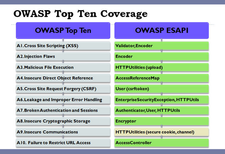
The ESAPI project recommends that developers shouldn't continue to reinvent the security wheel for each application, but base their efforts on OWASP's expertise gained "over a decade of code review and penetration testing of critical enterprise applications."
The API is virtually independent of operating system and programming language, even though the current reference implementation is written in Java along with its Javadoc. Versions for .NET and PHP are planned.
ESAPI's Java implementation requires Java 1.4.2, but Java 1.6 users can uncomment code to make it work for them. The reference implementation is in binary JAR format for downloading. Developers will then have a forum in the OWASP-ESAPI mailing list.
Subscribe to our Linux Newsletters
Find Linux and Open Source Jobs
Subscribe to our ADMIN Newsletters
Support Our Work
Linux Magazine content is made possible with support from readers like you. Please consider contributing when you’ve found an article to be beneficial.

News
-
Dutch Government Turns to Open Source for Digital Sovereignty
Following in the footsteps of European countries, the Netherlands is looking to increase its sovereign digital infrastructure with open source software.
-
Linux May Soon Work on Snapdragon X2-Based PCs
If you're thinking about buying a Snapdragon X2-based desktop or laptop, Linux may soon be an option.
-
KDE for People Initiative Calls for AI Ban in Plasma
A new community of KDE wants the project to adopt a strict no-AI policy for KDE Plasma.
-
KDE Sets Ambitious Goals for 2026 and Beyond
KDE Connect reveals the goals for the Linux desktop darling, with one of those goals long overdue.
-
It’s Time to Test Fedora 45 Beta
Fedora 45 beta has been released with updated Gnome, KDE Plasma, and kernel.
-
Ubuntu Stonking Stingray Gets Even Rustier
Ubuntu 26.10 has completed its migration to the Rust-based coreutils.
-
AI Fixes Linux Bottlenecks Using “Hideous” Code
A Linux developer used AI to fix bottlenecks that caused problems when building the kernel. The resulting AI-generated code needed a lot of work.
-
Advanced Video Coding Still Under Patent
Brazilian patent BRPI0109962B1 has expired, which means that DivX and Xvid are no longer problematic for Linux, but it doesn’t mean that video is all of a sudden fully unleashed.
-
2,000 Vulnerabilities per Linux Release
Thanks to AI bug hunters, the Linux kernel is seeing record numbers of vulnerabilities, and it's overwhelming developers.
-
Linux Exempt from California’s Age Verification Law
So long as Linux is distributed under the GPL, MIT, BSD, and Apache licenses, the OS is exempt from being required to verify the age of its users in California.