


Cycles for Science

BOINC
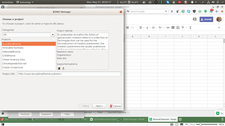
Want to participate in the scientific revolution? BOINC lets you lend your spare computer cycles to data analysis efforts for NASA and other science institutions.
Scientists collect massive amounts of data. In fact, the biggest challenge of science is sifting through all the data to come to correct and fascinating conclusions. This is where you come in: If you want to help with the march of science, you could give your life to NASA or a large university, or you could just contribute some cycles from your home computer. One of the easiest ways to contribute to science is to let your computer crunch the numbers for ongoing scientific experiments.
It all started with the search for extraterrestrial intelligence (SETI). SETI scientists built a radio telescope to scan the skies for radio signals that could come from civilizations like ours. The big problem quickly became obvious; analyzing the data takes immense amounts of computing power. To address this problem, the team adapted the software they use to analyze the signal to run on a PC. Then they came up with a brilliant idea: make small work packages that anyone can compute in any order. Users can download the packages and analyze the data off-line. This client was then shared on their website, the best part: they designed it so users could use the software as a screen saver.
The popularity of the project exceeded their expectations, and the team quickly realized that the system could work for other projects also. However, other projects such as medical research and astronomy needed other mathematics. The solution was Berkeley Open Infrastructure for Network Computing, BOINC [1].
[...]
Buy this article as PDF
(incl. VAT)
Buy Linux Magazine
Subscribe to our Linux Newsletters
Find Linux and Open Source Jobs
Subscribe to our ADMIN Newsletters
Support Our Work
Linux Magazine content is made possible with support from readers like you. Please consider contributing when you’ve found an article to be beneficial.

News
-
Is Linus Torvalds Vibe Coding?
The creator of Linux has added AI into his process for Linux kernel development, and it's more than just for debugging.
-
openKylin 3.0 Released with Expanded AI Integration
The latest release features a pre-installed AI agent to help perform tasks.
-
DigitalOcean Ends Open Source Credits Program
In a change that has surprised many open source developers, DigitalOcean has decided to sunset its Open Source Credits Program.
-
Office 365 Available for Testing on Linux via Bottles
Linux users can now test the official Office 365, thanks to Mirko Brombin's work on Bottles.
-
Dutch Government Turns to Open Source for Digital Sovereignty
Following in the footsteps of other European countries, the Netherlands is looking to increase its sovereign digital infrastructure with open source software.
-
Linux May Soon Work on Snapdragon X2-Based PCs
If you're thinking about buying a Snapdragon X2-based desktop or laptop, Linux may soon be an option.
-
KDE for People Initiative Calls for AI Ban in Plasma
A new community of KDE wants the project to adopt a strict no-AI policy for KDE Plasma.
-
KDE Sets Ambitious Goals for 2026 and Beyond
KDE Connect reveals the goals for the Linux desktop darling, with one of those goals long overdue.
-
It’s Time to Test Fedora 45 Beta
Fedora 45 beta has been released with updated Gnome, KDE Plasma, and kernel.
-
Ubuntu Stonking Stingray Gets Even Rustier
Ubuntu 26.10 has completed its migration to the Rust-based coreutils.